| HS Code | 933963 |
| Density G Cm3 | 1.04-1.07 |
| Tensile Strength Mpa | 40-50 |
| Impact Resistance | High impact strength at low temperatures |
| Glass Transition Temperature C | 105 |
| Heat Deflection Temperature C | 98-110 |
| Chemical Resistance | Resistant to acids, alkalis, and salts; attacked by solvents |
| Electrical Insulation | Good dielectric properties |
| Water Absorption Percent | 0.2-0.4 (24 hours) |
| Hardness Shore D | 100-110 |
| Uv Resistance | Poor; degrades with prolonged sun exposure |
As an accredited Acrylonitrile‑Butadiene‑Styrene Resin factory, we enforce strict quality protocols—every batch undergoes rigorous testing to ensure consistent efficacy and safety standards.
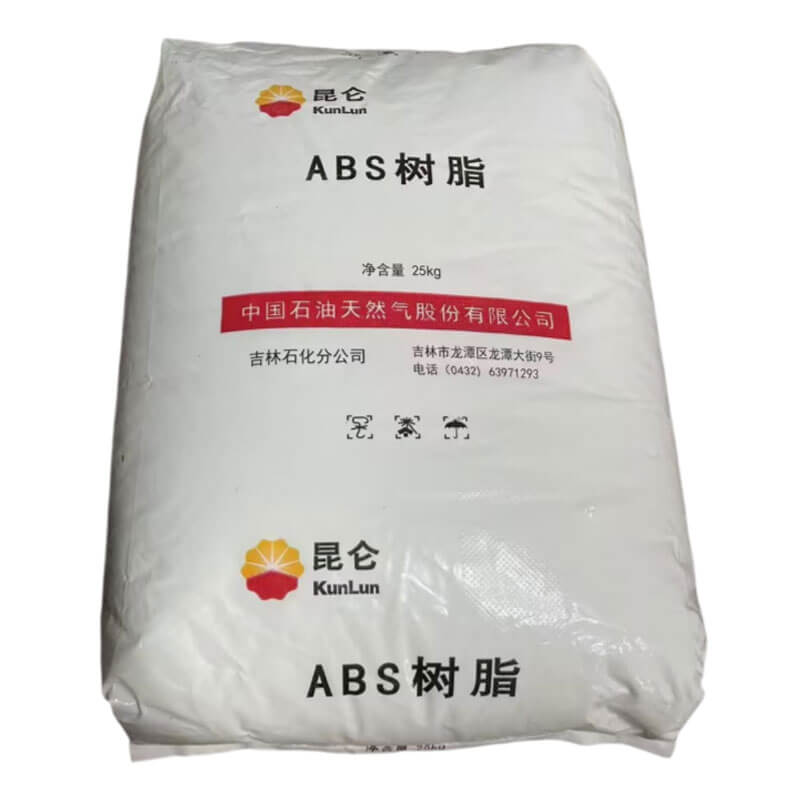
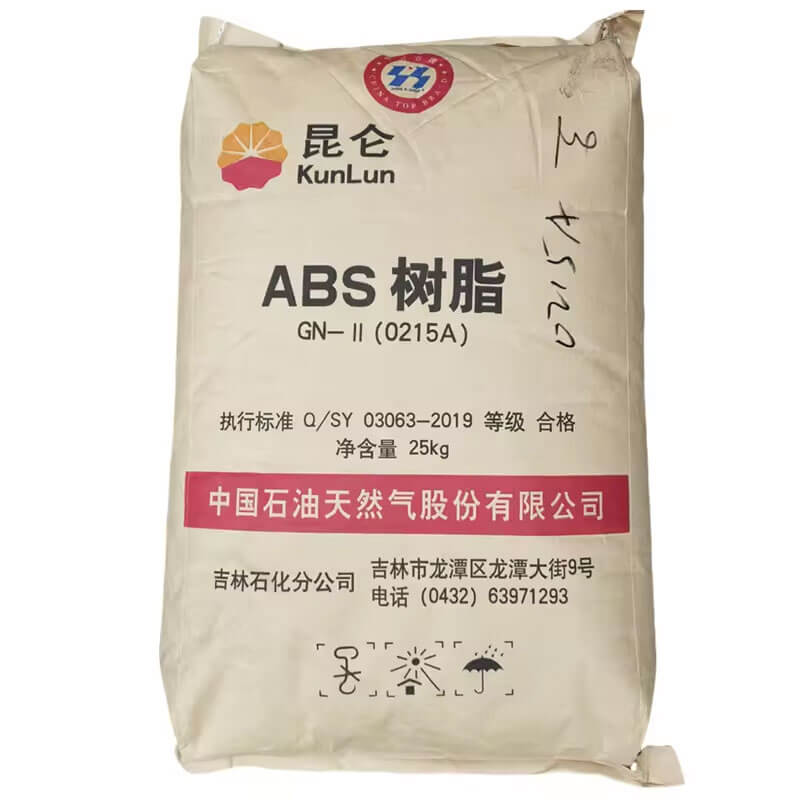
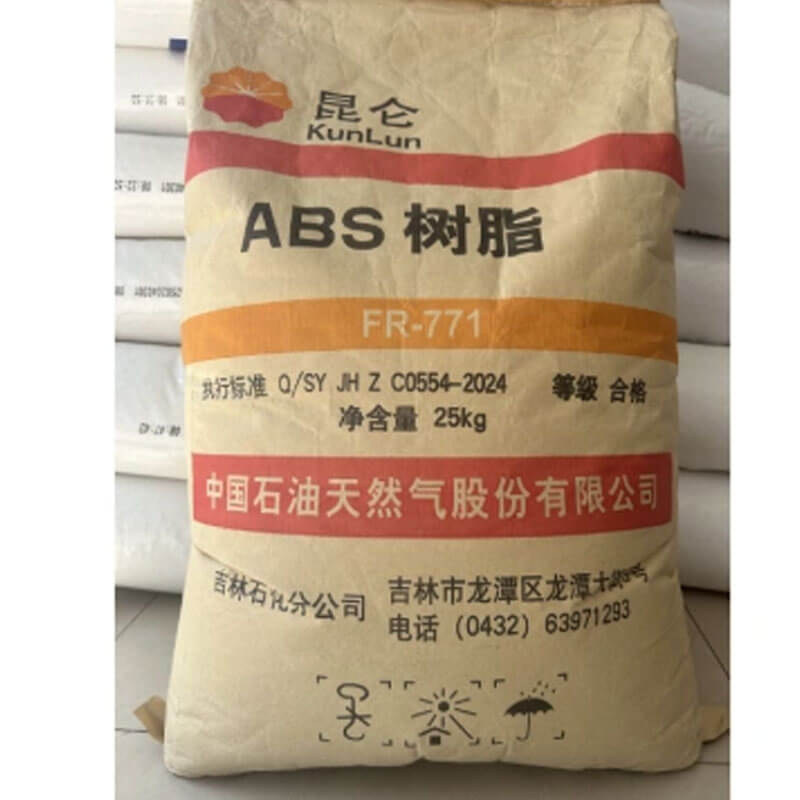
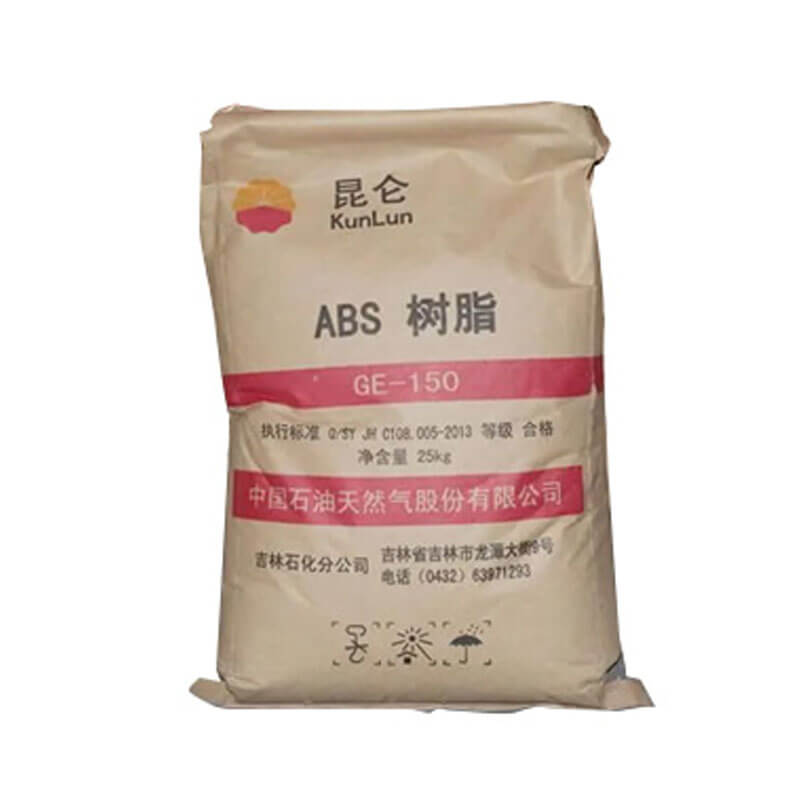
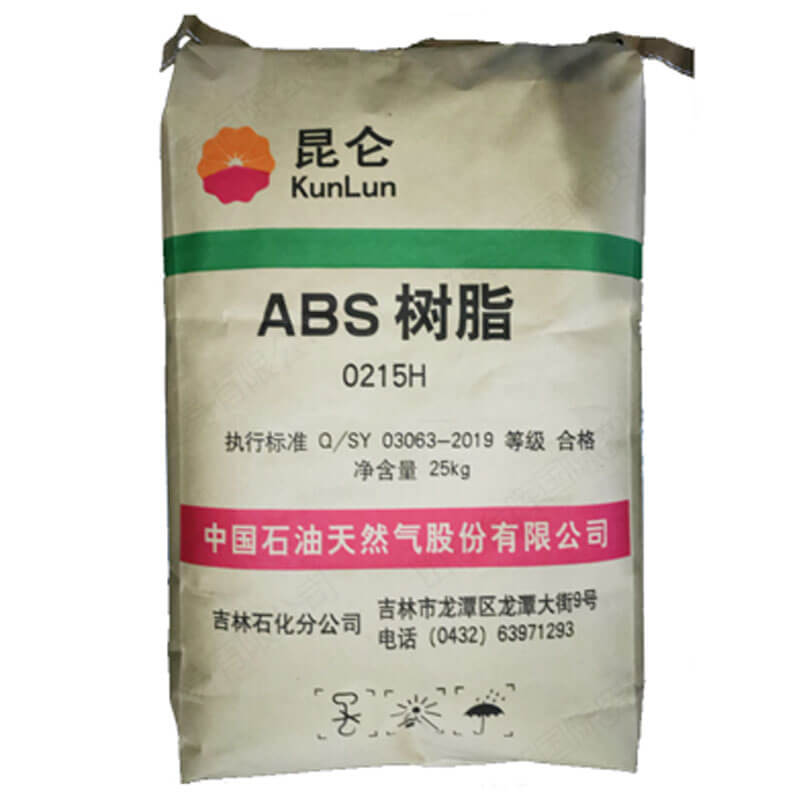
| Packing | ABS resin packaging: 25 kg multi-layer paper bags with moisture-proof polyethylene lining, stacked on pallets and shrink-wrapped for safe transport. |
| Container Loading (20′ FCL) | 20′ FCL: ABS resin packed in dry container, secured, labeled, kept dry/ventilated, preventing contamination and damage. |
| Shipping | Acrylonitrile-Butadiene-Styrene (ABS) Resin ships as a non-hazardous plastic material in powder or pellet form. It is typically packaged in moisture-proof bags, FIBCs, or boxes, and transported in dry containers, trucks, or railcars. Keep away from excessive heat, ignition sources, and moisture to prevent degradation. |
| Storage | Store ABS resin in a cool, dry, well-ventilated area, away from direct sunlight, heat sources, and open flames. Keep containers sealed to prevent moisture absorption and contamination. Avoid contact with strong oxidizers. Maintain moderate temperatures to preserve material properties. Proper storage ensures stability and long shelf life. |
| Shelf Life | Shelf Life: Indefinite when stored unopened in a cool, dry area, away from direct sunlight and moisture. |
In automotive interior trim development, ABS resin is selected where grained-texture replication, low-temperature ductility retention, and resistance to environmental stress cracking from cabin cleaning agents must be balanced within a defined piece-cost envelope. Compounds specified for unpainted lower instrument panel substrates, glove box doors, centre console side panels, and pillar covers are typically based on general-purpose ABS with a melt volume-flow rate of 5–25 cm³/10 min measured at 220 °C/10 kg in accordance with ISO 1133-1:2022. Regulatory compliance for these interior applications includes FMVSS 302 flammability for occupant compartment materials, ISO 3795 for the corresponding horizontal burn rate, REACH Regulation (EC) No 1907/2006 for substance registration and restriction, and Directive 2000/53/EC ELV for heavy-metal limits on end-of-life vehicle components. Mechanical qualification is anchored to ISO 179-1 Charpy impact, ISO 180/A notched Izod impact, and ISO 306/B50 Vicat softening temperature.
Unpainted interior compounds are usually built from ABS resin at 94–98 wt% of the total compound; the remaining 2–6 wt% consists of a phenolic/phosphite antioxidant package at 0.1–0.3 phr, ethylene bis-stearamide lubricant at 0.2–0.5 phr, and a high-dispersion carbon black masterbatch added at 2–4 wt% to achieve mould-surface colour homogeneity. For soft-touch laminated trim, the ABS substrate is formulated without external lubricant above 0.3 phr because migration to the surface reduces adhesion of polyolefin skin layers. Where cabin soak temperature exceeds 105 °C, ABS/PC blends are specified with ABS resin at 55–70 wt%, polycarbonate at 25–40 wt%, and an elastomeric impact modifier at 3–7 wt%, giving Vicat values of 120–135 °C under ISO 306/B50.
Pre-drying at 80 °C for 3–4 h in a desiccant dryer to reach residual moisture below 0.05% is required before injection moulding. On production-scale reciprocating-screw machines with clamp force from 800 t to 1300 t and screw L/D of 20:1–25:1, the melt temperature is maintained at 240–260 °C; mould temperature is held at 60–80 °C to replicate grain texture and prevent visible weld lines around gate areas. Injection velocity is reduced to 120–180 mm/s when filling thin-wall console side panels to avoid jetting and surface vortices. Finished production components include grained glove box doors, B-pillar lower covers, centre console side panels, and fuse-box lids.
| Grade configuration | ABS content in formulation | Vicat softening temperature | Notched Izod impact | Typical interior component |
|---|---|---|---|---|
| General-purpose unpainted ABS | 94–98 wt% | 96–105 °C (ISO 306/B50) | 16–28 kJ/m² (ISO 180/A) | Glove box door, pillar cover |
| ABS/PC blend | 55–70 wt% ABS | 120–135 °C (ISO 306/B50) | 30–50 kJ/m² (ISO 180/A) | Lower instrument panel substrate |
Because flame-retardant ABS compounds are processed at the lower end of the ABS thermal window, melt temperature must be held at 190–230 °C; at temperatures above 235 °C, brominated flame retardants undergo debromination, releasing free hydrogen bromide that corrodes chrome-plated tooling and produces surface blush on textured housings. The primary regulatory and end-product certification boundary for this scenario is IEC 62368-1:2018, which requires fire enclosure materials for information technology equipment to meet UL 94 V-0 at the minimum wall thickness or pass glow-wire testing at 850 °C for parts greater than 0.2 kg. Directive 2011/65/EU RoHS restricts polybrominated biphenyls and polybrominated diphenyl ethers to 1000 ppm per homogeneous material, while commonly used tetrabromobisphenol A-based systems remain permitted under current exemptions but must be declared in the supply-chain technical dossier.
Starting-point formulations for halogenated UL 94 V-0 ABS contain ABS resin at 80–86 wt%, brominated flame retardant at 12–16 wt%, antimony trioxide synergist at 3–5 wt%, polytetrafluoroethylene anti-drip agent at 0.1–0.3 wt%, and antioxidant/lubricant at 0.5–1.5 wt%. Where non-halogenated systems are required, ABS/PC phosphate-ester blends are formulated with ABS at 55–70 wt%, polycarbonate at 20–30 wt%, phosphate ester at 10–15 wt%, and heat stabilizer at 0.3–0.8 wt%, producing UL 94 V-0 performance at 3.0 mm with lower smoke density than brominated equivalents. Flame-retardant compounds are prepared on a co-rotating twin-screw extruder with L/D 36:1–44:1 because the high additive loading requires sufficient distributive mixing length to avoid local flame-retardant agglomerates.
Pre-drying at 80 °C for 3–4 h to below 0.05% moisture is mandatory; hydrolytic degradation during plastication reduces molecular weight and increases melt volume-flow rate drift. Injection moulding uses low screw speed and back pressure of 0.3–0.6 MPa to avoid local shear heating. Mould temperature is kept at 40–60 °C for flame-retardant grades to allow fast skin formation and reduce surface exudation. Finished component classes include monitor housings, uninterruptible power supply enclosures, power adapter shells, network switch faceplates, and terminal box covers. Tooling for brominated FR grades is typically hard-chromed or fitted with stainless steel inserts to limit corrosion from acid off-gas.
| Standard / method | Property or endpoint | Typical pass threshold for halogenated ABS enclosure compound |
|---|---|---|
| UL 94 | Vertical flame classification | V-0 at 1.5 mm and 3.0 mm |
| IEC 62368-1:2018 | Fire enclosure for ITE | UL 94 V-0 or glow-wire 850 °C depending on part mass |
| IEC 60695-2-11 | Glow-wire flammability | 650 °C for small parts; 850 °C for parts > 0.2 kg; no flame > 30 s |
| IEC 60112 | Comparative tracking index | ≥ 250 V for many appliance/ITE grades |
| Directive 2011/65/EU | RoHS restricted substances | PBB and PBDE content below 1000 ppm |
White and light-coloured appliance housings based on high-gloss ABS are specified when the part is a structural cover or panel with service temperature not exceeding 75 °C, because IEC 60695-10-2 ball-pressure testing at 75 °C requires the indentation diameter to remain below 2.0 mm. Compliance for these components also includes IEC 60335-1:2010 plus national deviations for household electrical appliances, IEC 60695-2-11 glow-wire at 650 °C for unattended appliance enclosures, and UL 746A for long-term thermal ageing where North American certification applies. High-gloss injection-moulding grades are compounded with ABS resin at 85–95 wt%; a SAN or alpha-methylstyrene-based modifier is used at 3–10 wt% to lift heat deflection and gloss retention, while an organo-siloxane or ethylene-bis-stearamide lubricant is held to 0.1–0.3 phr and titanium dioxide is added at 1–3 phr for opacity.
Injection moulding of vacuum cleaner housings and washing machine top panels is carried out on hydraulic machines of 900–1500 t clamp force with melt temperature 230–250 °C and mould temperature not below 70 °C. The elevated mould temperature is required to maintain gloss above 90 GU at 60° geometry under ISO 2813 and to prevent visible weld lines across long flow lengths. High mould temperatures increase cooling time to 25–40 s; any reduction below this range causes stress whitening at ejector pins and higher shrinkage anisotropy. Surface cleaners containing ketone solvents or aromatic hydrocarbons induce stress cracking on high-gloss ABS; end-product specifications normally limit cleaner chemistry to ethanol-water or aliphatic-based formulations. Finished part categories include washing machine top covers, refrigerator door caps, air conditioner front panels, and vacuum cleaner cyclone bodies.
Extrusion-grade ABS for non-pressure drainage, waste, and vent piping is formulated to survive output rates from 500 kg/h to 1200 kg/h on production lines with L/D 30:1 grooved-barrel extruders. The material must comply with ASTM D2661 for Schedule 40 ABS DWV pipe and fittings in North America, EN 1455-1 for soil and waste discharge inside building structures in Europe, and ISO 15493-1 for industrial piping systems where chemical drainage is specified. Compound formulation uses ABS resin at 94–97 wt%, a stabilizer package at 0.2–0.5 wt%, titanium dioxide at 1–2 phr for light-exposed variants, and an external lubricant at 0.1–0.3 phr. The formulation avoids plasticizer migration by design because pipe fusion integrity at solvent-cemented joints depends on predictable softening of the ABS matrix without surface exudate.
Moisture must be below 0.03% entering the extruder; residual water above this threshold creates pinholes and lowers burst strength in finished pipe. Barrel zones are set from 200 °C to 230 °C; the die head is held at 190–210 °C. Melt temperature above 240 °C accelerates gel formation in the butadiene phase, producing black specks that are unacceptable in white or grey pipe grades. Vacuum calibration at 0.06–0.08 MPa sets outside diameter; ultrasonic wall measurement feeds back to screw speed. Fittings are injection-moulded from a higher-flow ABS variant with melt volume-flow rate of 20–35 cm³/10 min at 220 °C/10 kg, with melt temperature at 220–240 °C and mould temperature at 40–70 °C. Terminal part classes include Schedule 40 DWV pipe in diameters from 32 mm to 200 mm, P-traps, wyes, elbows, and laboratory drainage pipe. The compound is not rated for continuous pressure water service above 60 °C; prolonged exposure to hot chlorinated water causes oxidative degradation and surface microcracks.
For additive manufacturing filament, extrusion-grade ABS is selected with a melt volume-flow rate of 20–40 cm³/10 min at 220 °C/10 kg per ISO 1133-1:2022, because lower-MFR grades generate excessive die swell and higher-MFR grades lose melt strength during free-air haul-off. The compound typically contains ABS resin at 90–97 wt%, pigment masterbatch at 2–4 wt%, antioxidant/lubricant at 0.1–0.3 wt%, and, for warp reduction, an elastomeric impact modifier at 1–5 wt%. Compliance for the compounded resin and finished filament is evaluated against REACH Regulation (EC) No 1907/2006, Directive 2011/65/EU RoHS, and mechanical testing according to ISO 527-2 for tensile strength and ISO 178 for flexural modulus; published certification data for the final FDM printed part is limited because print-process variables dominate mechanical results.
Compounding is performed on a co-rotating twin-screw extruder at 180–220 °C, followed by pellet drying at 80 °C for 3–4 h to below 0.05% moisture. Filament is extruded on a single-screw line with L/D 25:1–30:1, melt pump, breaker plate, and closed-loop laser diameter gauge; barrel temperatures are staged from 190 °C to 220 °C, and die temperature is held at 200–210 °C. The draw ratio is maintained below 2.5:1; above this threshold, diameter variation exceeds ±0.05 mm for 1.75 mm nominal filament and causes extruder underfeed or nozzle clogs in downstream FDM printers. Cooling water distance and spooler tension are set so that ovality remains below 0.03 mm. Terminal configurations include 1.75 mm and 2.85 mm spooled filament for fused deposition modeling of production jigs, assembly fixtures, vacuum-forming patterns, and short-run protective enclosures. End users should note that open-frame printers without heated chambers produce higher warp in ABS than PC or PETG; heated-bed settings of 100–110 °C are required for large-area parts.
Impact-resistant building-block systems require ABS resin with clutch-force repeatability, colour fastness, and resistance to chewing-simulating mechanical abrasion maintained across millions of assembly cycles. Toy-safety compliance under EN 71-3:2019 and ASTM F963-23 requires that extractable heavy metals in the moulded article remain below the relevant migration limits when tested with simulated digestive fluid. These compounds are formulated without phthalate plasticizers and without halogenated flame retardants; the additive set is restricted to high-purity organic pigments, an external lubricant at 0.1–0.3 phr, and an antioxidant at 0.1–0.3 phr. ABS resin content is held at 96–99 wt%; the remaining 1–4 wt% includes colour masterbatch and processing stabilizer.
Production uses high-speed injection-moulding machines with 1000–1500 t clamp force, hot-runner valve-gate systems, and hardened steel cavities. Melt temperature is controlled at 210–240 °C, mould temperature at 50–70 °C, and holding pressure is adjusted until flatness across a 5 mm thick brick body remains within 0.05 mm. Melt volume-flow rate is specified at 5–15 cm³/10 min at 220 °C/10 kg, and batch-to-batch MFR variation is limited to ±2 cm³/10 min to keep fill time and holding pressure constant across multi-cavity tools. Finished components include interlocking building bricks, construction-set elements, board game tokens, and educational connector parts. Assembled-part applications vary from dimensionally stable connector tiles to micro-thin wall parts where the gate diameter must be below 0.4 mm to leave no visible vestige on a cosmetic surface.
Competitive Acrylonitrile‑Butadiene‑Styrene Resin prices that fit your budget—flexible terms and customized quotes for every order.
For samples, pricing, or more information, please contact us at +8618136850665 or mail to sales4@ascent-chem.com.
We will respond to you as soon as possible.
Tel: +8618136850665
Email: sales4@ascent-chem.com
Flexible payment, competitive price, premium service - Inquire now!
Acrylonitrile-butadiene-styrene resin is an amorphous two-phase styrenic terpolymer in which grafted polybutadiene rubber particles are dispersed within a continuous styrene-acrylonitrile copolymer matrix. The 15–25 wt% acrylonitrile fraction contributes chemical resistance, tensile strength, and thermal stability; the 10–30 wt% butadiene fraction supplies impact energy absorption through crazing and shear yielding; the styrene fraction governs stiffness, gloss, and melt processability. Published datasheet ranges for neat general-purpose ABS at 23 °C include tensile stress at yield of 40–50 MPa under ISO 527-1, flexural modulus of 2000–2800 MPa under ISO 178, notched Izod impact strength of 15–35 kJ/m² under ISO 180/1A, and density of 1.04–1.07 g/cm³ under ISO 1183-1. Melt volume-flow rate under ISO 1133-1 at 220 °C with a 10 kg load typically spans 5–30 cm³/10 min for injection-moulding grades. These values are not single-point specifications; they shift with polybutadiene particle size distribution, graft ratio, SAN molecular weight, and compounding additives such as flame retardants, glass fibre, heat stabilisers, and process aids.
Because ABS is a compositional family rather than a fixed molecule, specification by generic name alone is insufficient for procurement. The grade must be identified by processing route, flow length, impact resistance, and thermal performance. Without fixing these parameters, two materials sold as ABS can differ enough to produce brittle failure in the same tool.
ISO 2580-1 provides a designation system for acrylonitrile-butadiene-styrene moulding and extrusion materials. The designation blocks encode the intended processing route, Vicat softening temperature, melt volume-flow rate, notched impact strength, and additional grade-specific properties. Representative commercial ranges compiled from publicly available datasheets are shown in Table 1 for generic grade families. The data illustrate the specification boundary between high-flow grades with reduced impact response and extrusion grades with higher butadiene content and lower melt volume-flow rate.
| Generic grade family | MVR at 220 °C/10 kg, ISO 1133-1 | Notched Izod at 23 °C, ISO 180/1A | Vicat B50, ISO 306 | Typical conversion route |
|---|---|---|---|---|
| General-purpose injection moulding | 12–25 cm³/10 min | 18–25 kJ/m² | 95–101 °C | injection moulding |
| High-flow thin-wall | 25–40 cm³/10 min | 9–15 kJ/m² | 90–97 °C | injection moulding |
| Medium-impact extrusion | 3–8 cm³/10 min | 25–35 kJ/m² | 98–105 °C | sheet and tubing extrusion, thermoforming |
| Electroplating | 15–25 cm³/10 min | 15–25 kJ/m² | 95–103 °C | injection moulding |
| Flame-retardant UL 94 V-0 | 15–30 cm³/10 min | 8–15 kJ/m² | 90–100 °C | injection moulding, electrical enclosures |
Moisture control is the first processing constraint in production-scale ABS moulding. Material exposed to ambient relative humidity above 60% must be dried to a residual moisture level below 0.05 wt% before melt processing. Desiccant dryers with a dew point below −30 °C operating at 80 °C for 2–4 h are standard; insufficient drying generates splay, silver streaking, and surface delamination. Injection moulding barrel temperature profiles are normally set from 200 °C in the rear feed zone to 245 °C in the metering zone, with nozzle melt temperature maintained at 230–255 °C. Injection pressure of 70–120 MPa and holding pressure of 40–70 MPa are typical for medium-flow grades in tools with cavity-pressure sensors. Mould temperatures of 40–70 °C are used for general-purpose grades, while 70–90 °C mould temperatures delay melt-front freeze and improve surface replication in electroplating grades. Post-mould shrinkage measured after 24 h under ISO 294-4 is 0.4–0.7% parallel to flow and 0.5–0.8% transverse in unfilled grades. Capillary rheometry under ISO 11443 shows pseudoplastic flow behaviour, requiring Bagley entrance-pressure and Rabinowitsch corrections for true shear-viscosity comparisons.
Weld-line strength in injection-moulded ABS is governed by flow-front contact pressure and rubber-phase re-entanglement at the knit line. When two melt fronts meet around a core pin, butadiene domains at the chilled flow front can form a weak boundary layer because grafted rubber particles at the frozen skin cannot sufficiently coalesce. Cavity-pressure transfer in multi-gate tools shows that holding pressure decays rapidly along long flow paths; regions adjacent to a weld line often experience a pressure drop below 30 MPa before solidification. The resulting weld-line tensile strength under ISO 527-1 can be 20–40% lower than bulk weld-free strength. Mould designers relocate knit lines to low-stress regions, increase flow-front temperature by raising mould temperature to 70–90 °C, or use valve-gated hot runners to sequence filling. High-flow ABS grades shorten flow length but may contain lower butadiene content. Valve gating and wider runner geometry therefore provide more robust impact retention than raising barrel temperature alone because they improve cavity-pressure transfer across the weld plane.
Thermal degradation in ABS is dominated by the unsaturated polybutadiene phase. At melt temperatures above 260 °C, thermo-oxidative attack on the butadiene domains produces yellowing, brown streaking, gel formation, and loss of notched Izod impact strength. Compounding on co-rotating intermeshing twin-screw extruders with 32:1–40:1 L/D ratios is used for additive incorporation and devolatilisation, but excessive shear heating can raise melt temperature above the set barrel temperature. Typical specific mechanical energy input observed in production-scale compounding is 0.15–0.25 kWh/kg, depending on screw configuration and throughput. Vacuum devolatilisation at approximately −0.08 MPa gauge removes residual styrene monomer and moisture, but dead zones in the barrel retain material and generate crosslinked rubber gels that appear as surface pitting. Residence time should be kept below 10 min for general-purpose grades; prolonged hold-up at 250 °C progressively increases carbonyl index and reduces rubber-phase toughening efficiency. Scrap regrind addition above 30 wt% commonly reduces impact retention because the polybutadiene phase has already experienced one or more thermal histories. These constraints define the practical processing window: sufficient barrel temperature for flow, but no segment exceeding 255 °C unless the formulation contains elevated heat stabiliser and antioxidant levels.
ABS is selected over high-impact polystyrene when the moulded housing must retain modulus, surface appearance, and chemical resistance at moderately elevated temperatures. HIPS typically exhibits tensile stress at yield of 18–35 MPa under ISO 527-1 and Vicat B50 softening of 80–95 °C under ISO 306. General-purpose ABS raises tensile stress at yield to 40–50 MPa and Vicat B50 softening to 95–105 °C. ABS also shows better resistance to dilute acids, cooking oils, and mild detergents than HIPS, although both materials are susceptible to environmental stress cracking in ketones, esters, and aromatic solvents. PC/ABS blends extend low-temperature ductility and heat resistance further but require higher drying temperatures and melt temperatures. The comparative bands in Table 2 represent typical commercial datasheet values; property retention depends on grade and moulded-in stress.
| Property and method | ABS, general-purpose | HIPS | PC/ABS blend |
|---|---|---|---|
| Tensile stress at yield, ISO 527-1 | 40–50 MPa | 18–35 MPa | 45–60 MPa |
| Notched Izod at 23 °C, ISO 180/1A | 15–35 kJ/m² | 8–15 kJ/m² | 30–60 kJ/m² |
| Notched Izod at −30 °C, ISO 180/1A | 4–10 kJ/m² | 3–8 kJ/m² | 20–40 kJ/m² |
| Vicat B50, ISO 306 | 95–105 °C | 80–95 °C | 105–130 °C |
| Density, ISO 1183-1 | 1.04–1.07 g/cm³ | 1.03–1.06 g/cm³ | 1.10–1.20 g/cm³ |
Electroplating-grade ABS is formulated with controlled butadiene rubber domain density near the mould surface. Chromic acid-sulfuric acid etching preferentially removes butadiene domains, creating sub-micron mechanical anchoring sites for electroless nickel or copper deposition. Plated peel strength is commonly reported in the 9–15 N/cm range under ISO 2819; adhesion depends on rubber particle size distribution, etch bath control, and plating build-up. Flame-retardant ABS grades rated UL 94 V-0 at 1.5 mm are used in charger enclosures, small appliances, and electrical equipment. Compliance with IEC 60695-2-12 glow-wire ignition at 850 °C is specified for unattended appliance parts. Halogenated flame-retardant systems must comply with RoHS Directive 2011/65/EU for lead, mercury, cadmium, chromium(VI), PBDE, and PBB restrictions; REACH candidate-list obligations also apply in the European Union. Food-contact ABS grades can be specified under 21 CFR 177.1020 only when monomer migration limits are met; not all impact modifiers, stabilisers, and colourants are compliant. Unstabilised ABS yellows and embrittles under UV exposure, so carbon black, hindered amine light stabilisers, or UV-absorbing packages are required for outdoor service. Solvent incompatibility remains a hard boundary: strong acids, ketones, esters, chlorinated solvents, and aromatic solvents attack ABS, and low molecular weight alcohols or aliphatic hydrocarbons may induce environmental stress cracking at moulded-in stress concentrations. For aggressive chemical exposure, published data is grade-specific and must be confirmed by immersion testing on the final moulded part.