| HS Code | 383563 |
| Appearance | Natural/off-white pellets |
| Density | 1.04 g/cm³ |
| Melt Flow Rate 220 C 10kg | 1.2 g/10 min |
| Tensile Strength At Yield | 45 MPa |
| Elongation At Break | 15% |
| Flexural Strength | 65 MPa |
| Flexural Modulus | 2100 MPa |
| Izod Impact Strength 23 C Notched | 30 kJ/m² |
| Rockwell Hardness | R 105 |
| Heat Deflection Temperature 1 82 Mpa | 85 °C |
| Vicat Softening Temperature | 100 °C |
| Mold Shrinkage | 0.4-0.7% |
As an accredited Acrylonitrile‑Butadiene‑Styrene Resin GE-150 factory, we enforce strict quality protocols—every batch undergoes rigorous testing to ensure consistent efficacy and safety standards.
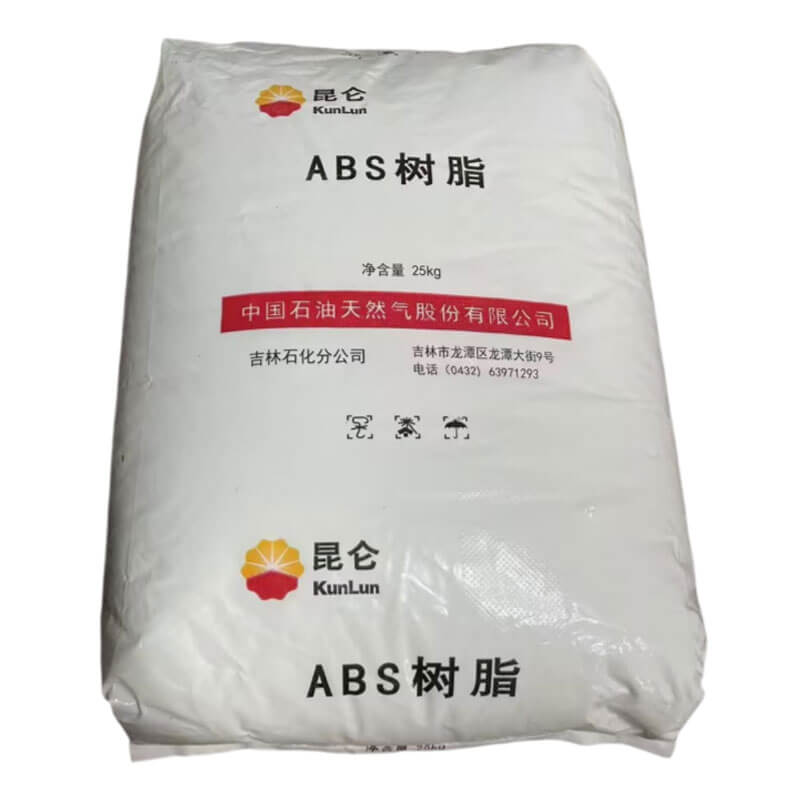
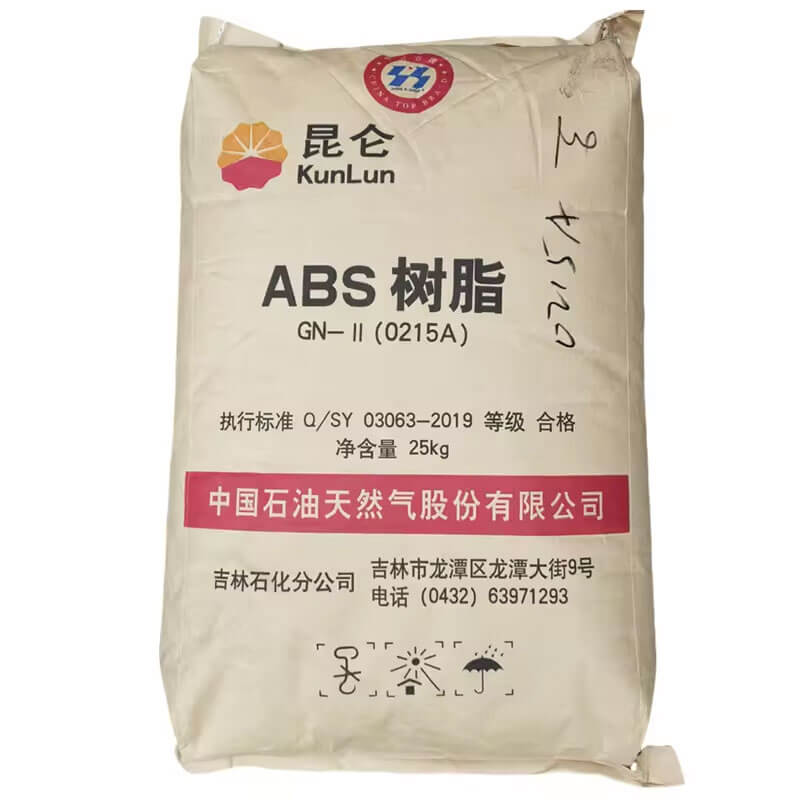
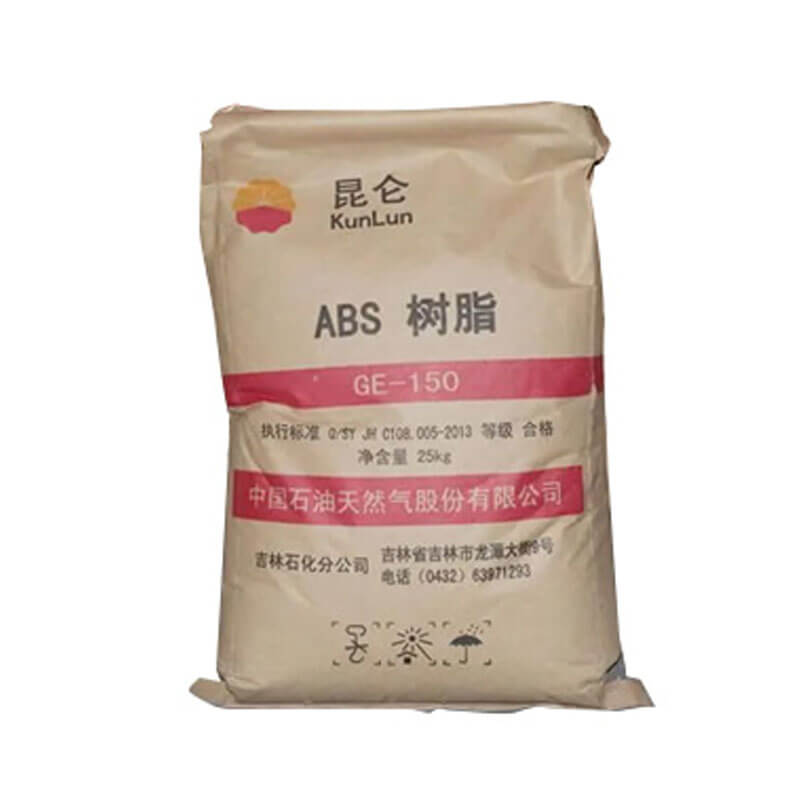
| Packing | Acrylonitrile-Butadiene-Styrene Resin GE-150 is supplied in sealed 25 kg multi-wall paper bags, clearly labeled and palletized for safe transport. |
| Container Loading (20′ FCL) | 20′ FCL: ABS Resin GE-150 packed in 25kg bags on pallets, shrink-wrapped and securely stowed for safe transport. |
| Shipping | Acrylonitrile-Butadiene-Styrene Resin GE-150 is shipped as a non-hazardous industrial material. Proper shipping name: Acrylonitrile-Butadiene-Styrene Resin. Pack in sealed multiwall paper bags or drums to prevent moisture absorption. No UN number required; protect from prolonged heat and ignition sources. Handle gently to avoid dust generation. |
| Storage | Store Acrylonitrile-Butadiene-Styrene Resin GE-150 in a cool, dry, well-ventilated area away from direct sunlight, heat, and ignition sources. Keep containers tightly sealed to prevent moisture absorption and contamination. Avoid static electricity buildup and incompatible materials like strong oxidizers. Maintain moderate temperatures, protect from physical damage, and follow manufacturer’s shelf-life guidelines for optimal performance. |
| Shelf Life | Shelf life is typically 2–3 years if stored unopened in a cool, dry, well-ventilated area away from sunlight and moisture. |
| Standard/Regulation | Test Designation | Application Boundary | GE-150 Implication |
|---|---|---|---|
| UL 94 HB | Horizontal burn | Thickness 1.5 mm / 3.0 mm | Base grade only; no V-0 rating |
| IEC 62368-1 | Safety of ICT equipment | Fire enclosure and electrical enclosure clauses | Verify with final wall thickness and color |
| Directive 2011/65/EU | RoHS compliance | Homogeneous materials | Supplier declaration required |
Competitive Acrylonitrile‑Butadiene‑Styrene Resin GE-150 prices that fit your budget—flexible terms and customized quotes for every order.
For samples, pricing, or more information, please contact us at +8618136850665 or mail to sales4@ascent-chem.com.
We will respond to you as soon as possible.
Tel: +8618136850665
Email: sales4@ascent-chem.com
Flexible payment, competitive price, premium service - Inquire now!
Acrylonitrile-Butadiene-Styrene Resin GE-150 is supplied as a pelletized, unfilled injection molding grade in which a continuous styrene-acrylonitrile copolymer matrix carries dispersed polybutadiene rubber domains. The product is classified within the ISO 2580-1:2008 designation system for acrylonitrile-butadiene-styrene materials, though the exact monomer ratios and rubber morphology remain proprietary. The grade is positioned for medium-flow injection molding where controlled notched Izod impact, flexural modulus, and surface finish are more important than extreme low-temperature ductility. Service below −20 °C or continuous exposure above 90 °C should be validated for the specific part design. Incoming pellet moisture should remain below 0.10 wt% before melt processing, determined by ISO 15512:2019 Method B.
Because publicly available lot-specific certificates for GE-150 are limited, procurement specifications should be verified against the supplier’s technical data sheet and certificate of analysis. Representative ranges for this product class are shown in Table 1. Test specimens are conditioned for 16 h at 23 ± 2 °C and 50 ± 5 % relative humidity in accordance with ISO 291:2018 before mechanical evaluation. Melt flow testing is performed after vacuum drying for 2 h at 80 °C. The resin falls within the general-purpose ABS band: its melt flow is higher than high-impact ABS, while its heat deflection temperature is lower than heat-resistant ABS. The butadiene content provides adequate room-temperature toughness but does not substitute for high-rubber grades in low-temperature applications.
| Property | Test method | GE-150 class | High-impact ABS | High-heat ABS |
|---|---|---|---|---|
| Melt volume-flow rate, 220 °C/10 kg | ISO 1133-1:2022 | 8–20 cm³/10 min | 4–10 cm³/10 min | 2–8 cm³/10 min |
| Density | ISO 1183-1:2019 | 1.03–1.07 g/cm³ | 1.02–1.06 g/cm³ | 1.05–1.08 g/cm³ |
| Tensile yield stress, 50 mm/min | ISO 527-2:2012 | 40–50 MPa | 35–45 MPa | 45–55 MPa |
| Notched Izod impact, 23 °C | ISO 180:2023 Method A | 15–25 kJ/m² | 25–40 kJ/m² | 12–20 kJ/m² |
| Heat deflection temperature, 1.8 MPa | ISO 75-2/A:2013 | 90–100 °C | 88–97 °C | 100–115 °C |
| Flexural modulus, 2 mm/min | ISO 178:2019 | 2100–2600 MPa | 1800–2300 MPa | 2300–2800 MPa |
On injection molding machines with clamp forces between 80 t and 120 t, process records show that screw recovery time and barrel residence time influence color shift more than nozzle temperature alone. The machine should use a general-purpose screw with 18:1–22:1 L/D and compression ratio of 2.2:1–2.6:1; a low-shear barrier screw is not required. The melt cushion should remain between 2 mm and 4 mm to avoid over-shearing the butadiene phase. Mold temperature is normally held at 40–60 °C for untextured structural parts and 60–80 °C for high-gloss or fine-grain cosmetic surfaces. Barrel profile practice is 200–220 °C in the feed zone, 220–240 °C in the compression zone, and 220–250 °C at the nozzle.
High-rubber ABS grades carry more butadiene, which increases notched Izod impact but reduces melt flow and tensile yield strength. In processing terms, the difference appears as shorter screw recovery time for GE-150 and lower pressure drop through the runner system. High-impact ABS may show notched Izod values above 25 kJ/m² but melt volume-flow rates below 8 cm³/10 min under ISO 1133-1:2022. Heat-resistant ABS grades achieve higher heat deflection temperature through alpha-methyl styrene or maleimide comonomers; those products require higher melt temperatures and are more sensitive to thermal degradation if barrel residence time exceeds 10 min at 260 °C. GE-150 operates in a lower thermal window and is less likely to generate brown streaks under normal cycling. When electroplating is required, the etchable butadiene domain density in GE-150 is moderate; adhesion values should not be assumed equal to dedicated plating ABS grades. Validation should follow ASTM B533 or ISO 4525, with thermal cycling controlled by the end-use specification.
Electrical enclosures, small appliance consoles, and cosmetic automotive interior parts are representative usage areas for GE-150-class ABS. Wall thickness should remain between 2.0 mm and 4.0 mm. Below 2.0 mm, flow length is limited by melt viscosity; above 4.0 mm, sink marks, voids, and warpage become the primary rejection modes. Rib thickness should not exceed 60% of the adjoining wall thickness. Gate diameter should be 60–80% of the wall section, with land length below 1.0 mm. Mold shrinkage for process planning is generally 0.4–0.6% in the flow direction and 0.5–0.8% transverse, but mold designers should confirm using spiral-flow and pressure-volume-temperature data because published data for this exact grade is limited.
Feeding more than 30% regrind into virgin GE-150 changes drying behavior, color, and impact response. Regrind particles have higher surface area than virgin pellets and may retain moisture more aggressively if stored in humid conditions. Regrind should be dried separately or blended before the main drying step. The main processing risks are notched Izod reduction, yellowing from repeated thermal history, and viscosity shift from chain scission. General ABS multi-heat-history studies report that notched Izod loss becomes measurable after two cycles, with the largest shift occurring between the first and second regrind. The exact loss for GE-150 should be determined by molding specimens at the intended regrind ratio and testing under ISO 180:2023 Method A. Regrind ratio should be controlled by weight, not volume. Fines and dust should be screened through a 4 mm mesh before blending. Contamination with polypropylene, acetal, or aliphatic processing oil must be avoided because these materials can delaminate or reduce impact. For parts requiring UL 94 HB at 1.5 mm, regrind ratios above 30% should be re-evaluated because colorants and additives may not distribute uniformly through the blend.
Chemical exposure is a frequent cause of field failure that is not captured by standard mechanical testing. ABS resins are generally resistant to dilute aqueous acids and alkalis, but ketones, esters, chlorinated hydrocarbons, and aromatic hydrocarbons attack the styrene phase. Molded parts exposed to isopropanol, cutting fluids, or aggressive adhesive primers can develop environmental stress cracking if internal stress is high. Stress-relief annealing at 70–80 °C for 2 h can reduce the risk but cannot overcome true solvent attack. PVC gaskets containing phthalate plasticizers should be tested for migration because plasticizer uptake may lower the glass transition temperature and induce surface tack. When painting GE-150, adhesion primers containing aromatic solvents should be applied at low film thickness and forced-air dried below 60 °C to limit solvent penetration.
Lot acceptance for GE-150 should include melt flow rate, notched Izod impact, moisture, and color. A minimum test protocol uses ISO 1133-1:2022 for melt flow, ISO 180:2023 Method A for impact, ISO 15512:2019 for moisture, and spectrophotometric comparison against an approved master standard. If incoming pellets exceed 0.10 wt% moisture, they should be rejected or re-dried before use. Batch-to-batch variation in standard ABS resin is generally lower for density and flexural modulus than for melt flow rate and impact; therefore, melt flow rate and notched Izod impact are the most sensitive incoming indicators for production stability.